



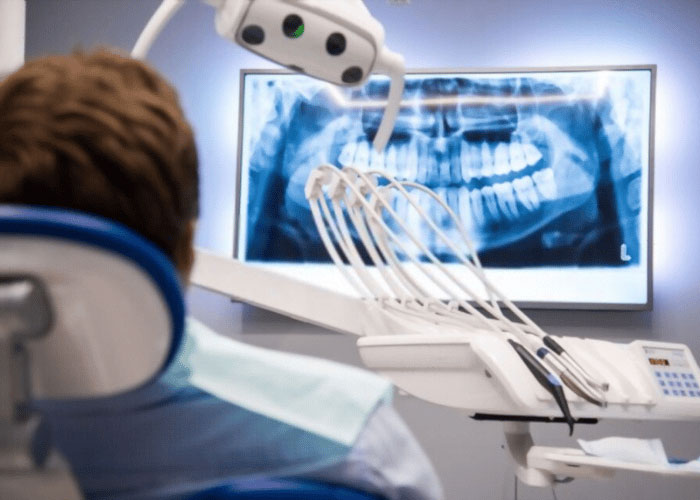
Radiographs
Radiographs, commonly known as X-rays, play a crucial role in modern dentistry by allowing dentists to see beyond what is visible to the naked eye. They help diagnose various dental conditions, assess oral health, and plan treatments effectively.
Modern digital radiography significantly reduces radiation exposure, making it safe for patients. Protective measures, such as lead aprons and thyroid collars, further minimize any risks. Radiographs are an indispensable tool in dental clinics, ensuring precise diagnosis and high-quality patient care. Regular dental check-ups, including X-rays when necessary, help maintain long-term oral health.
Types of Dental Radiographs
1. Intraoral Radiographs (Taken inside the mouth)
- Bitewing X-rays : The dentist will ask about your medical history, dental concerns, and any symptoms you may be experiencing.
- Periapical X-rays : Show the entire tooth, including the root and surrounding bone, helping in diagnosing infections or abscesses.
- Occlusal X-rays : Capture the full arch of teeth and are useful in detecting cysts, jaw fractures, and impacted teeth.
2. Extraoral Radiographs (Taken outside the mouth)
- Panoramic X-rays : Provide a broad view of the entire mouth, including teeth, jaws, sinuses, and surrounding structures.
- Cephalometric X-rays : Used mainly in orthodontics to study jaw and tooth alignment.
- Cone Beam CT (CBCT) : A 3D imaging technique used for detailed evaluation of bone structure, nerve pathways, and complex dental cases.
Frequently asked questions
It is recommended to visit the dentist every six months for a regular check-up and cleaning. However, if you have dental issues like gum disease, cavities, or orthodontic treatment, you may need more frequent visits as advised by your dentist.
No, a dental consultation is painless. The dentist will examine your teeth, gums, and mouth and may take X-rays if needed. If any treatment is required, your dentist will explain the procedure and ensure your comfort.
You should book an urgent dental appointment if you experience:
✔ Severe toothache or sensitivity
✔ Bleeding or swollen gums
✔ Broken, chipped, or lost teeth
✔ Persistent bad breath or a bad taste in your mouth
✔ Swelling in the face or jaw
Yes, we do accept walk-in patients, but we recommend booking an appointment in advance to avoid waiting time and ensure you get the best care.